

Hear from Our Customers
You’ve noticed the musty smell. Maybe someone in your house has been coughing more than usual, or you spotted discoloration on a wall after that leak last month. The problem is, you don’t know how bad it is or where it’s actually coming from.
That’s where professional mold testing makes the difference. We use infrared cameras and moisture meters to find mold you can’t see—inside walls, under floors, in crawl spaces. Our certified inspectors collect air samples and surface samples, then send them to a lab for analysis. You get a clear report that tells you what type of mold you’re dealing with, how much of it there is, and where it’s concentrated.
Here’s what that means for you: no more guessing. No more wondering if that spot is dangerous or just ugly. You’ll know if you’re dealing with common mold or something more serious like black mold. You’ll know if your kids’ allergies are related to what’s growing in your basement. And you’ll have the information you need to make a smart decision about what comes next—whether that’s a targeted fix or a bigger remediation project.
Mack’s Mold Removal has been serving Falls and Bucks County for years. We’re certified mold inspectors who understand how Pennsylvania’s humidity and older housing stock create the perfect conditions for mold growth. Around here, it’s not if a home will deal with moisture issues—it’s when.
We’ve tested hundreds of homes in this area. We know the common trouble spots in Falls properties, from basement moisture problems to attic ventilation issues. Our team uses the same advanced equipment and lab analysis whether we’re testing a small ranch or a larger colonial, and we explain everything in plain terms so you actually understand what’s happening in your home.
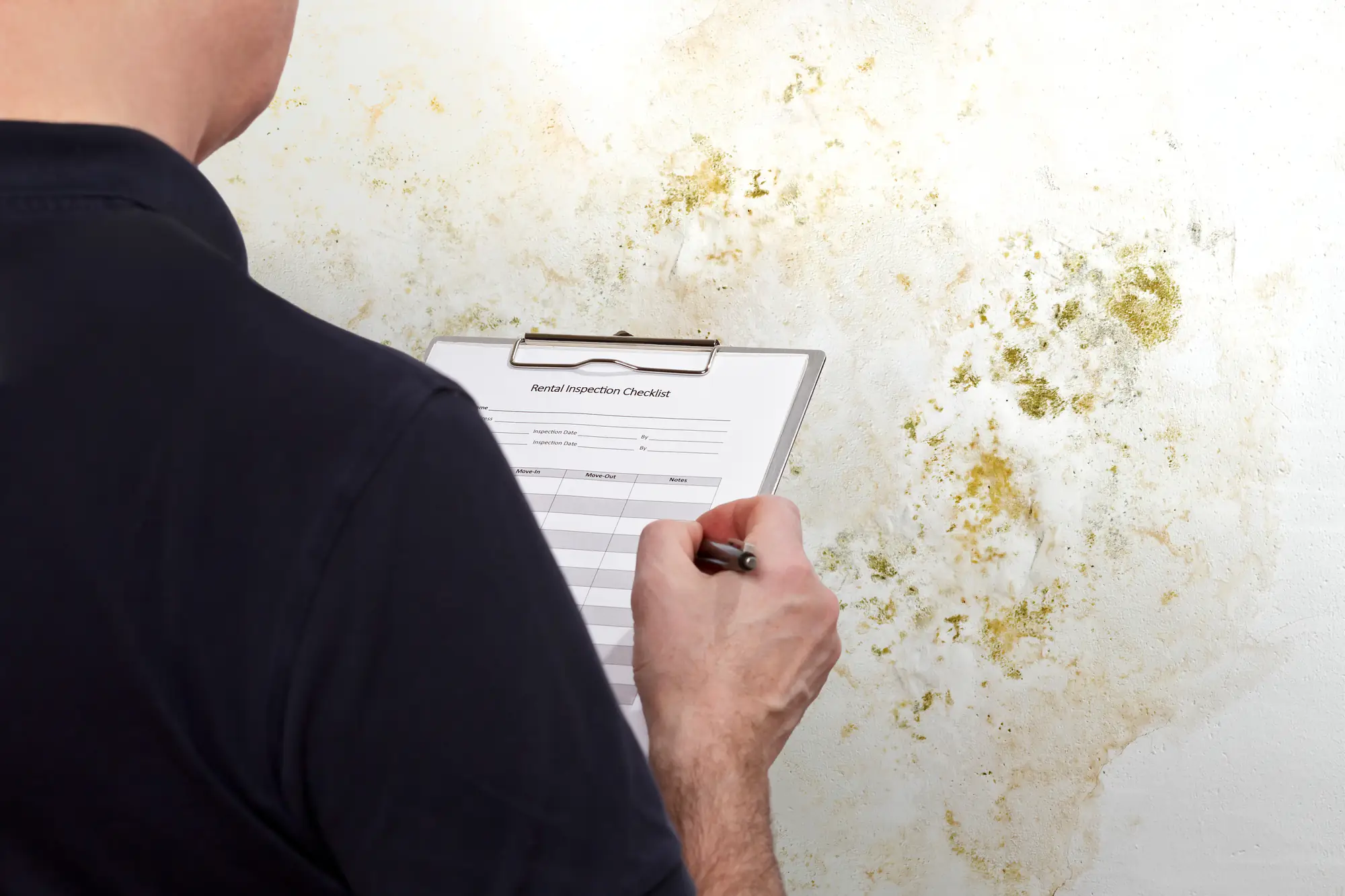
First, we walk through your home with you. You show us the areas you’re concerned about, and we look for signs you might have missed—water stains, condensation patterns, ventilation problems. This usually takes 30 to 45 minutes depending on your home’s size.
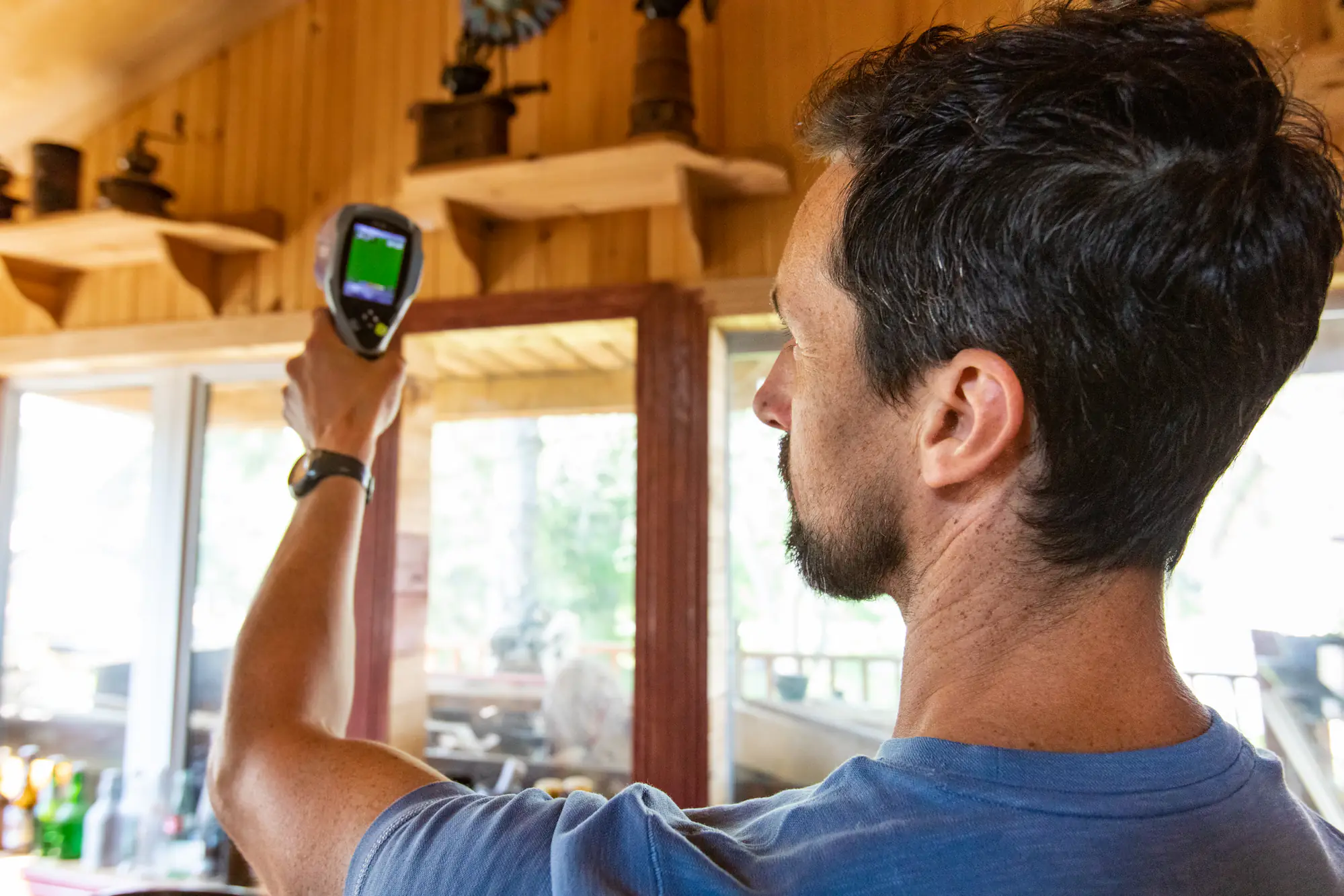
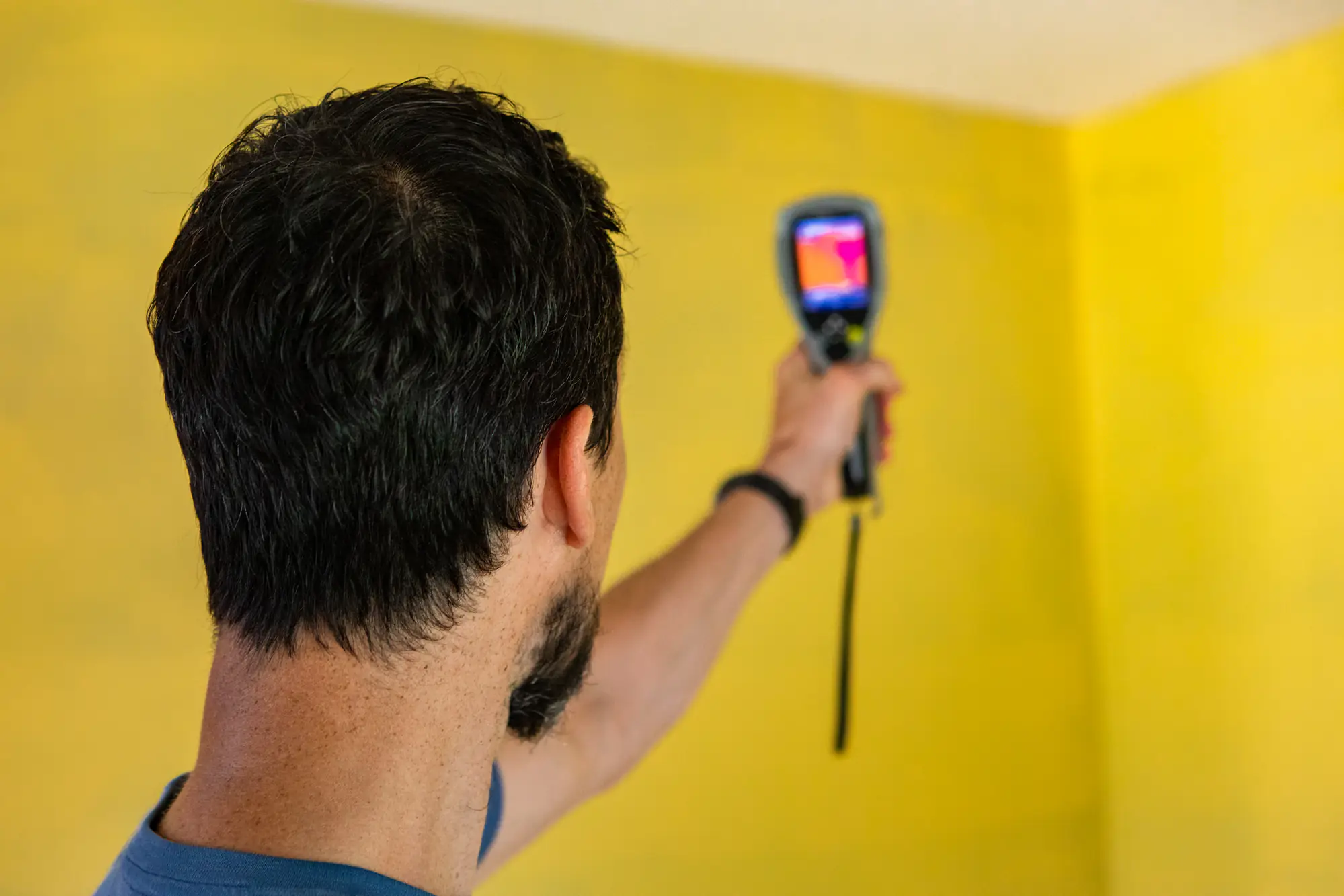
Next, we use moisture meters to check walls, floors, and ceilings for hidden water. We use infrared cameras to spot temperature differences that indicate moisture behind surfaces. Then we collect samples. Air samples capture mold spores floating in your home’s air. Surface samples test visible growth or suspicious areas. We take samples from problem areas and from unaffected areas for comparison.
The samples go to an accredited lab for analysis. Within 24 to 72 hours, we get results that identify the types of mold present and their concentration levels. We review those results with you in a detailed report, explain what they mean for your health and your home, and recommend next steps. If you need remediation, we tell you what that looks like. If you just need better ventilation or a dehumidifier, we’ll tell you that too.
Ready to get started?
Every mold testing service we provide includes a thorough visual inspection of your property, moisture mapping with professional-grade meters, infrared thermal imaging to detect hidden moisture, air quality samples from multiple areas of your home, and surface samples from any visible growth or suspected problem areas.
You also get lab analysis from a certified third-party laboratory, a detailed written report with findings and mold concentration levels, photos documenting problem areas, and a clear explanation of results in person or over the phone. We’ll answer your questions and help you understand what the numbers actually mean.
Here’s why this matters in Falls specifically: about 37% of homes experience some form of water leakage, and Pennsylvania’s humidity creates ideal conditions for mold growth. Older homes—and Falls has plenty—are even more susceptible because they were built before modern moisture management became standard. Central air conditioning helps, but if you’ve got an older HVAC system or poor attic ventilation, you’re at higher risk. Our testing accounts for these local factors and gives you a realistic picture of your home’s air quality.
Professional mold testing typically costs between $300 and $1,000 depending on your home’s size and how extensive the testing needs to be. A small home with one area of concern will cost less than a larger property that needs multiple air samples and surface tests from different rooms.
The price includes the inspection itself, sample collection, lab analysis, and a detailed report with recommendations. Some companies charge extra for things like infrared imaging or moisture mapping, but we include those—they’re essential for finding hidden problems. If someone quotes you significantly less, ask what’s actually included. DIY test kits from the hardware store might seem cheaper at $10 to $50, but they’re not reliable. They can’t tell you what type of mold you have, how much of it there is, or where it’s actually coming from.
Think of professional testing as information that helps you make a smart decision. If you spend $500 on testing and find out you only need a $200 dehumidifier instead of $5,000 in remediation, that’s money well spent. Or if testing reveals a serious problem early, you’re catching it before it damages your home’s structure or makes your family sick.
A mold inspection is a visual assessment where an inspector looks for signs of mold growth, moisture problems, and conditions that promote mold. We’ll check common problem areas, use moisture meters, and document what we find. An inspection tells you if there’s visible mold and where moisture issues exist.
Mold testing goes further. It includes the inspection, but also involves collecting air samples and surface samples that get analyzed in a lab. Testing identifies the specific types of mold present, measures spore concentration in your air, and confirms whether suspicious spots are actually mold or just dirt and discoloration. You get scientific data, not just observations.
Most people need both, and our professional services include both in what we call “mold testing.” You want the visual inspection to find obvious problems and the lab testing to find hidden ones. If someone’s been having respiratory issues or allergies and you can’t see any mold, testing the air quality is the only way to know if mold spores are the culprit. If you can see growth, testing tells you if it’s the dangerous kind or something less concerning.
The inspection and sample collection usually take between 30 minutes and two hours depending on your home’s size and how many areas need testing. We’ll finish that same day and send samples to the lab immediately.
Lab analysis takes 24 to 72 hours in most cases. You’ll get a call or email when results are ready, and we’ll walk you through the report. Some labs offer rush processing for an extra fee if you’re in the middle of a real estate transaction or dealing with a health emergency, which can get you results in 24 hours.
The timeline matters because mold doesn’t stop growing while you wait. If you’re seeing active growth or someone in your home is having serious respiratory symptoms, don’t wait weeks to schedule testing. We can get to your home within a few days, sometimes sooner for urgent situations. Once you have results, you can make informed decisions quickly instead of living with uncertainty or making your health worse.
You can buy DIY mold test kits at hardware stores, but they have serious limitations. Most kits just tell you that mold is present—which isn’t helpful because mold exists in almost every home. They can’t tell you what type of mold you have, how much of it there is, or whether the levels are actually dangerous. Some kits produce false positives or miss problems entirely.
Professional mold testing uses calibrated equipment, proper sampling techniques, and accredited lab analysis. We know where to look for hidden mold, how to collect samples without contaminating them, and how to interpret results in context. We can tell the difference between normal background mold levels and a problem that needs attention. We’ll also find moisture sources you’d miss—inside walls, under flooring, in your HVAC system.
Here’s the reality: if you’re concerned enough to test for mold, you’re concerned enough to get accurate information. Spending $40 on a DIY kit that gives you vague or misleading results doesn’t help you. It either creates false peace of mind when there’s actually a problem, or it creates panic over normal mold levels. Professional testing costs more upfront, but it gives you actionable information. You’ll know exactly what you’re dealing with and what to do about it.
The most common molds in Pennsylvania homes are Cladosporium, Penicillium, Aspergillus, and Alternaria. These grow in damp areas like bathrooms, basements, and around windows where condensation builds up. They’re not usually dangerous for healthy people, but they can trigger allergies and asthma, especially in kids and older adults.
Black mold—technically called Stachybotrys chartarum—gets the most attention because it produces mycotoxins that can cause serious health problems. It’s less common than other types, but it does show up in Falls homes, usually after water damage that wasn’t dried properly. Black mold needs consistent moisture to grow, so you’ll find it in areas with ongoing leaks, flooding damage, or serious humidity problems.
The only way to know what type of mold you have is through lab testing. Visual identification isn’t reliable because different molds can look similar, and some dangerous molds don’t look black at all. About 10% of people are severely allergic to mold regardless of type, experiencing headaches, respiratory issues, and skin rashes. If anyone in your home is having those symptoms and you’ve spotted growth or smelled that musty odor, testing identifies the specific mold so you can address it properly.
Mold testing tells you what types of mold are present and at what concentration levels. The report will indicate whether those levels are elevated compared to normal outdoor air and whether the types detected are known health concerns. Based on that information, we’ll recommend whether you need professional remediation, minor cleanup, or just improvements to ventilation and humidity control.
Small amounts of surface mold on non-porous materials—like a little mildew on bathroom tile—usually don’t require professional remediation. You can clean that yourself with the right products. But if testing reveals high spore counts in your air, mold inside walls or HVAC systems, or toxic varieties like black mold, you need professional help. Disturbing mold during amateur cleanup can actually spread spores throughout your home and make the problem worse.
The testing report also helps if you’re buying or selling a home. It gives you documentation of the problem’s extent, which is useful for negotiations or for holding contractors accountable. If you’re dealing with insurance after water damage, testing provides evidence for your claim. Bottom line: testing doesn’t fix mold, but it gives you the information you need to fix it correctly the first time instead of guessing and potentially wasting money on the wrong solution.
Other Services we provide in Falls